Showing posts with label BMW. Show all posts

Friday, 1 September 2017

New regulations drive new auto marketing

The marketing environment can have a profound effect on brand and product marketing. Regulations governing car emissions are a good example.

From today, EU regulators have changed the rules on how car emissions will be measured, to prevent automakers from circumventing emissions limits. Most of all, the new rules are intended to improve air quality, for a greener future. In turn, these new rules are driving new vehicle marketing.

Now automakers are offering 'scrappage' schemes to encourage drivers to purchase new cars and 'scrap' or trade in older vehicles. Volkswagen is offering as much as £7,000 off to encourage UK buyers to turn in their old diesels (registered prior to 2010) and buy a new VW, Audi, Skoda or Seat model.

Ford is offering £2,000 off to UK buyers who exchange any brand of vehicle (model year 2010 or older) for a new Ford model. Kia and Renault are also offering the same amount for older models turned in when buying a new car in the UK. Toyota is offering up to £4,000 to encourage trade-ins of older cars by UK buyers.

Automakers are also designing new cars that will comply with emissions rules and appeal to environmentally-conscious buyers. Aston Martin has plans to have an all-hybrid product portfolio by 2020, and BMW will soon launch an all-electric version of its popular Mini

However, the UK's ambitious plan to not allow sales of new diesel and petrol cars from 2040 will strain the infrastructure for electric cars, requiring significant investments in recharging stations, for example. Automakers will be watching the environment carefully as they plan for future product introductions and car promotions.

Wednesday, 2 March 2016

Olympics sponsors put marketing plans into action

Corporate sponsors of the upcoming Rio Summer Olympics are using marketing to connect with audiences through the personal stories of athletes and their families. Remember 'Thank you, Mum' from the last Olympics? That was Procter and Gamble's memorable marketing idea, connecting with consumers on an emotional level by showing how mothers provide vital behind-the-scenes motivation for athletes. Here's a video about P&G's support from the Olympic sponsor page.

P&G doesn't just market the Olympics sponsorship under its corporate umbrella. Many of its billion-pound consumer brands will also have a tie-in campaign for the Rio summer games. 'One of the myths is that the Olympics is more of an image-building opportunity', P&G's brand director of Olympics & sports marketing said at a recent sports marketing conference. 'Over the last three [Olympic] games, we’ve seen how it is a business-building platform for brands'.

BMW, like many sponsors, is not only sponsoring Olympic teams, it's focusing its marketing efforts on selected athletes. For example, BMW is creating marketing communications to follow medal-contenders and up-and-comers alike on the Canadian team, including high-jumper Derek Drouin. Each athlete chosen for BMW's marketing treatment will receive a BMW to drive.

Visa International is a long-time Olympics sponsor with experience marketing its financial services in conjunction with sports sponsorships. This year, it teamed up with another sponsor, Swatch, to allow attendees in Rio to pay using a smartwatch app. Like so many other sponsors, Visa has its own roster of athletes that will be the face of its marketing efforts.

Watch for more marketing activities, especially social media marketing, in the weeks leading up to the opening of the Olympics.

Wednesday, 29 October 2014

Spanish ads, English straplines

Looking at a Car and Driver magazine from Spain, I noticed many ads feature English straplines (see arrows). This indicates a globalisation of promotional themes and a recognition that drivers welcome global brands and are willing to buy them locally.
  • At top left, Kia's strapline is "The Power to Surprise." That's the automotive brand's worldwide strapline.
  • Center top, GT's global strapline for Champiro tyres is "Experience the Performance."
  • Right at top, Mercedes Benz uses the strapline, "The best or nothing." 
  • Bottom left, BMW's ad includes the phrase "BMW EfficientDynamics," a reference to its earth-friendly lower emissions.
  • Bottom right, Ford's ad shows the strapline "Go further." This strapline appears on its website and other promotional elements.

Monday, 24 June 2013

Upmarket car brands go full speed ahead in social media

Lots of brands are active on Facebook, Twitter, and YouTube, but the luxe brands have been less active--until recently. Now upmarket car brands are using social media to reach out to consumers, get new ideas, engage in customer dialogue, listen for marketplace opportunities and polish their brand positioning. Here are four examples:
  • Porsche recently used a special Facebook page for crowdsourcing its 911 Carrera 4S design (winning choices: aqua blue colour, 20-inch Carrera S wheels, sport package). 
  • In its 100th year, Aston Martin is still going strong with the James Bond franchise and is on Facebook with more than 2 million likes. Sponsorships are part of the social media news for this venerable luxury brand. Yet Aston Martin's global marketing director also notes: 'Social media means the democratisation of information. Do you really want to do that if you’re at the top of the luxury scale?' Tone and targeting are key here.
  • BMW has 13 million Facebook US likes, 246,000 Facebook UK likes and lots of YouTube videos showcasing the performance of its upmarket vehicles. The brand is also involved in Twitter and Google+. Selected dealerships are on Pinterest, as well.
  • Rolls-Royce has more than 1 million Facebook likes, and often uses social media to present 'quizzes' to fans, testing their knowledge of the brand and the places it's associated with (such as the Alpine Trial of its Silver Ghost in 1913). RR's History Pin site features images of the iconic cars.


Wednesday, 9 January 2013

Marketers invest in tomorrow's partners

Some of the biggest names in business are putting money into tiny firms that have the potential to become key partners or suppliers sometime in the future. The firms making the investments aren't banks--they're multinationals that want to benefit from new ideas and new processes that indie startups might develop.

Here are a few examples:
  • Unilever Ventures has an 'incubation' programme to help small UK businesses that are developing innovative ways for customers to interact with brands via smartphone and social media.
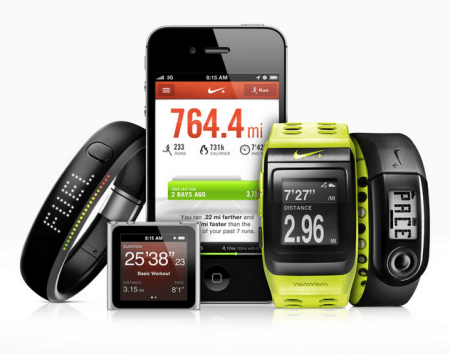
  • Nike is investing in tech companies that plan to use its Nike+ technology (see photo, right).
  • Procter & Gamble has joined with the University of Cincinnati in Ohio to fund a 'startup accelerator' for new businesses.
  • BMW has a New York-based venture capital unit to assist businesses that are developing mobile services offerings.
  • Intel Capital invests in firms that are working on new technologies, devices and software suitable for its chips.
What innovations will grow out of these investments? How many will be successful? And  will the marketers that invest in these startups gain a competitive edge from their association with the next new thing?