According to a recent ranking, the three most relevant brands in the UK are: Apple, Lego and Playstation.
More than 10k consumers responded to the survey, saying that--for the third consecutive year--Apple is the most relevant brand in their lives. What is relevance? According to the Brand Relevance Index, it means 1) consumer obsession, 2) inspiration, 3) innovation and 4) pragmatism.
Lego is #2 in this survey, a brand that understands consumer behaviour and knows how important personal experience influences relevance. Lego is using event marketing and other in-person experiences to compete in newer markets such as Hong Kong. The Lego House in Denmark is an in-person brand experience built from 25 million plastic Lego bricks.
In fact, more brands are marketing themselves through experiences. For instance, Converse--which makes athletic shoes--refashioned a London hotel into a limited-time brand experience earlier this year.
Watch for more brand marketing via experiences during the holiday shopping season as companies seek to build awareness, preference and purchasing.
Showing posts with label Apple. Show all posts
Showing posts with label Apple. Show all posts
Wednesday, 3 October 2018
Thursday, 20 October 2016
What does a brand stand for?
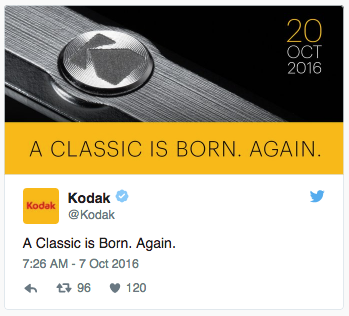
Maybe you remember Kodak's yellow and red film packaging...or other photography-related products.
Kodak is changing its brand associations, and today it describes itself this way: 'Kodak is a technology company focused on imaging'. For consumers, Kodak offers digital cameras, movie cameras, printers and more.
Can the Kodak brand be associated with smartphones? Kodak is aiming for that market. Last year, its brand appeared on a smartphone made by Bullitt. The phone didn't sell well. Now the Kodak brand is about to appear on a new smartphone, to be marketed as having a very good built-in camera. The new phone is called the Ektra.
Everyone takes photos with smartphones and tablets these days, right? Some famous photographers use their iPhones and rely on the quality, and Apple is definitely promoting the photography aspect for social media ease and professional use.
In other words, Apple has successfully associated its branded phones and tablets with high-quality photography.
Can Kodak do the same for its Ektra smartphone?

Saturday, 10 October 2015
Mobile pay gains momentum in UK market

Starbucks has expanded its mobile order and payment availability to all UK stores--but only for Apple iOS users. Sorry, Android users, you'll have to wait for Starbucks.
But then there's Google's Android Pay, soon to be launched in the UK as a rival to Apple Pay.
And Samsung Pay, a success in the company's home country and now being introduced around the world to rival Apple Pay.
Apple Pay, meanwhile, has been tried at least once by 4 out of 10 Apple device owners in the UK.
Does this mean fewer pence and pounds being handed over at the till? Just this year, cash transactions lost their traditional lead and now non-cash (including credit, debit and mobile) payments account for more than half of all transactions in the UK. So yes, expect fewer cash transactions as Millennials and Gen Y consumers enjoy the contactless payment functionality of their smart phones, tablets and other digital devices.
Tuesday, 21 July 2015
Apple Pay adds momentum to mobile payment
 |
| Apple shows Apple Pay on its devices |
Users 'store' their credit and debit card details within the app so they can quickly and conveniently pay for tickets, food, merchandise and more.
Among the first banks to offer Apple Pay are NatWest, Royal Bank of Scotland, Nationwide, MBNA, Santander and Ulster Bank. American Express is also participating.
Visa Europe's research indicates a high percentage of UK customers own smartphones, the key element in mobile payments, and it predicts this method 'will fast become a preferred way to store and use a credit or debit card'. However, some consumers are wary of tech-fueled payments (due to security concerns or unfamiliarity). Another issue, being worked on, is the upper limit of how much Apple Pay users can buy with the app.
With Apple Pay in full launch mode, mobile payment is sure to attract new users among key demographic groups (Millennials, particularly) and accelerate acceptance during 2015 and beyond.
Sunday, 8 March 2015
Competitors are definitely stakeholders
COMPETITORS ARE STAKEHOLDERS
- What one competitor--the most innovative or the strongest--does can affect the entire industry. This doesn't only apply to price wars (such as those in the UK grocery retailing industry). It's also a factor in the digital payments world, where Apple Pay has made a big impact in a short time. Or look at the smartwatch industry, which Apple is about to enter with a lot of promotional momentum. Having Apple as a competitor will force every business to be nimbler and better in order to survive.
- New or tiny competitors may be the most innovative. Ella's Kitchen, a 2014 winner of the new product award by The Grocer, is an example of a startup with a compelling value proposition: all-organic, tasty baby foods. The innovator attracted the eye of a larger company, which bought Ella's Kitchen and is using the brand to expand into new products and markets. Imagine what competitors think about the combination of Ella's Kitchen's innovative ideas and the financial strength of Hain Celestial.
- Competitive scandals can hurt the entire industry. The horsemeat scandal of 2013 caused some consumers to switch from supermarket meats to local butchers' meats. Frozen hamburgers didn't sell well for a time, either, although price promotions helped increase demand. Not every company was implicated, but all were affected by changes in consumer confidence and perceptions.
- Competitive pressure can encourage the industry to do more for people and the planet. Just look at the Fairtrade movement, which has improved the lives of many farmers and food producers and encouraged sustainability. When Cadbury Dairy Milk committed to Fairtrade cocoa in a big way, that put pressure on other mainstream chocolate marketers to show their Fairtrade support. Mars, another chocolate giant, is now embracing Fairtrade cocoa for its Mars Bars. Fairtrade fruit and vegetable and coffee products are widely sold in mainstream grocery stores, partly because of competitive pressure and partly because of consumer demand. One competitor that gets a lot of media coverage for social responsibility activities can be the catalyst for others wanting to follow suit.
Tuesday, 28 October 2014
Marketing wearable tech

Here are a few examples of marketing wearable tech:
- Fitbit is using multiple social media networks to showcase its latest wristband fitness trackers, including Instagram, Facebook, Twitter, Pinterest (especially key for fashionistas), Google+, LinkedIn, and Vine. The brand has recognition and a core of loyal followers who appreciate its streamlined look and ease of funtionality.
- Samsung is marketing its Gear smartwatches as 'comfortable, smart and stylish' on its UK website. Publicity about Android operating systems, bendable batteries and other elements related to the product help support its techy image. Samsung's strength in tablets and phones can only help its wearable tech products.
- Apple Watch, to be introduced in the UK next year, already has a lot of marketing momentum building because of product launches in the US and elsewhere. As expected from Apple, design is paramount to the marketing effort--as is the brand's iconic apple logo. Given Apple's premium image, this watch has a lot of buzz.
- Nike discontinued its Fuelband fitness tracker earlier in 2014 to focus on other wearable tech and, crucially, software related to wearable tech. The company recognised that fitness trackers have a life cycle--and the product category isn't yet in the maturity stage. Rather than continue with the wristband trackers that it marketed, Nike opted to look in Apple's direction. With Nike's strong brand equity, it will surely be able to compete in whatever niche it targets.
Thursday, 6 March 2014
Entertainment streaming goes mainstream

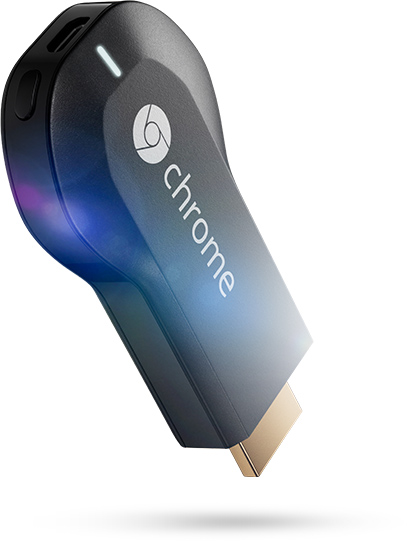 Roku has just introduced a new product, the Streaming Stick, that plugs into a TV's HDMI port and allows easy streaming of programmes and movies via the BBC iPlayer, Netflix and more.
Like the Google Chromecast, which is widely available in the US but not yet on the market in the UK, the Roku's HDMI access is intended to replace a bulkier set-top box.
Apple TV competes with Roku and Chromecast, offering a compact unit that will stream content from iTunes, YouTube, Vimeo, Netflix and other sources.
In other words, more consumers are choosing to stream entertainment, accelerating trends reported in Ofcom's 2013 analysis of the media market. Consumers still watch TV but they also use a lot of devices to access content. And, of course, the tradition of watching TV live is eroding little by little. With on-demand content available for streaming at any hour, the viewing habits of the world are definitely changing. What will this mean for marketers who typically rely on TV adverts to communicate with viewers? Stay tuned.
Tuesday, 3 September 2013
Should Microsoft Rebrand Nokia Phones?
Now that Microsoft is buying Nokia's handset unit, what should it do about branding the phones?
 Microsoft's involvement with Nokia began two years ago as a strategy to put Windows software on as many phones as possible while Apple and Android were growing ever stronger. Since then, Nokia--which once was a worldwide leader in mobiles--has lost market share, and Windows hasn't become as popular as Microsoft had hoped.
The new deal puts Nokia's mobiles under the Microsoft umbrella. Moreover, the Nokia brand will be licensed to Microsoft for the coming decade. Should Microsoft rebrand the mobiles it now owns as Windows or Microsoft? Or should it retain the Nokia brand for as long as possible, given the history and brand recognition (as well as positive perceptions)?
One analyst comments: 'The Nokia brand still has a high value to people. That doesn’t mean the Microsoft brand is not known - but what does it mean to people?'
The new deal puts Nokia's mobiles under the Microsoft umbrella. Moreover, the Nokia brand will be licensed to Microsoft for the coming decade. Should Microsoft rebrand the mobiles it now owns as Windows or Microsoft? Or should it retain the Nokia brand for as long as possible, given the history and brand recognition (as well as positive perceptions)?
One analyst comments: 'The Nokia brand still has a high value to people. That doesn’t mean the Microsoft brand is not known - but what does it mean to people?'
Thursday, 25 April 2013
Samsung vs Apple: The supply chain holds the key
Largely invisible to customers, your supply chain is a vital element in marketing. Do you have the right suppliers, the right materials and the right inventory levels to deliver enough products to meet demand?
 Samsung is currently experiencing a supply chain problem that's delaying its intro of the Galaxy S4 smartphone in some markets. Why? Because global demand is unexpectedly high and Samsung's suppliers simply can't keep up.
Unfortunately, other elements of Samsung's marketing plan have already been implemented--including glitzy product launch parties, ads, and other activities. Customers are therefore seeing promotional messages and getting interested in the S4, only to learn that they can't buy one yet.
And that's a problem because Samsung is a major challenger to Apple in the smartphone market. In fact, Samsung sells more Galaxy mobiles than Apple sells iPhones. But if the supply chain can't keep up with demand, Samsung's customers (and distributors) will have to wait. Delays could change the way customers view Samsung and affect their ultimate buying decision.
Meanwhile, Samsung's profits have reached record-high levels. And, interestingly, Samsung is an important supplier in rival Apple's supply chain, making special microprocessor chips for iPhones. Both firms are clearly profiting from the continued increase in demand for smartphones.
Unfortunately, other elements of Samsung's marketing plan have already been implemented--including glitzy product launch parties, ads, and other activities. Customers are therefore seeing promotional messages and getting interested in the S4, only to learn that they can't buy one yet.
And that's a problem because Samsung is a major challenger to Apple in the smartphone market. In fact, Samsung sells more Galaxy mobiles than Apple sells iPhones. But if the supply chain can't keep up with demand, Samsung's customers (and distributors) will have to wait. Delays could change the way customers view Samsung and affect their ultimate buying decision.
Meanwhile, Samsung's profits have reached record-high levels. And, interestingly, Samsung is an important supplier in rival Apple's supply chain, making special microprocessor chips for iPhones. Both firms are clearly profiting from the continued increase in demand for smartphones.
Thursday, 27 December 2012
Marketing almost-new electronics
Refurbished products--returned to the manufacturer or store because of physical or functional defects--are increasingly popular with price-conscious consumers. The manufacturer (or a third party repair specialist) fixes the blemish or replaces the defective part, cleans the item up and repackages it with a full warranty, ready for purchase at a price lower than the identical new item.
Most of the time, 'refurbs' are marketed online, mainly by the manufacturer selling directly to customers but sometimes by retailers. For example:

Most of the time, 'refurbs' are marketed online, mainly by the manufacturer selling directly to customers but sometimes by retailers. For example:
- The Apple Store UK has a special online section devoted to refurbished Macs, iPads and other electronics. This is one of the very few ways to buy a product that ordinarily isn't discounted by Apple or its channel partners. Another channel is through Apple's eBay presence, where refurbs are featured (see above).
- Curry's offers refurbished laptops from Hewlett-Packard, Toshiba, Apple and other manufacturers.
- Staples sells refurbished laser printers, desktop computers and other equipment for home or office use.
Wednesday, 19 September 2012
Product lifecycle sustainability

Tech products represent a special sustainability challenge because of concerns over rare earth metals used in their manufacture. Europe and individual countries have regulations requiring special recycling for electronics products. Apple has its own recycling programme; some PC makers participate in group recycling efforts that comply with EU regulations.
Another issue is understanding the ecological impact of a product. Stonyfield Farm, which markets yoghurts, is taking a high-tech approach here by using software to measure the carbon footprint across every phase of the lifecycle. This becomes the basis for goals to reduce carbon emissions.
Walmart, along with other consumer products companies, has been working on a sustainability index that will show the ecological impact of products. The retailer is also urging PC manufacturers to set their systems to 'sleep' more quickly, which will save energy.
As more stakeholders inquire about product lifecycle sustainability, more marketers are likely to invest time and money in this issue.
Wednesday, 30 November 2011
Sony switches from style to store
Sony Style stores, open in many major world cities, are going to be redone with a new look that brings to mind the upscale and elegant Apple Store retail ambiance.
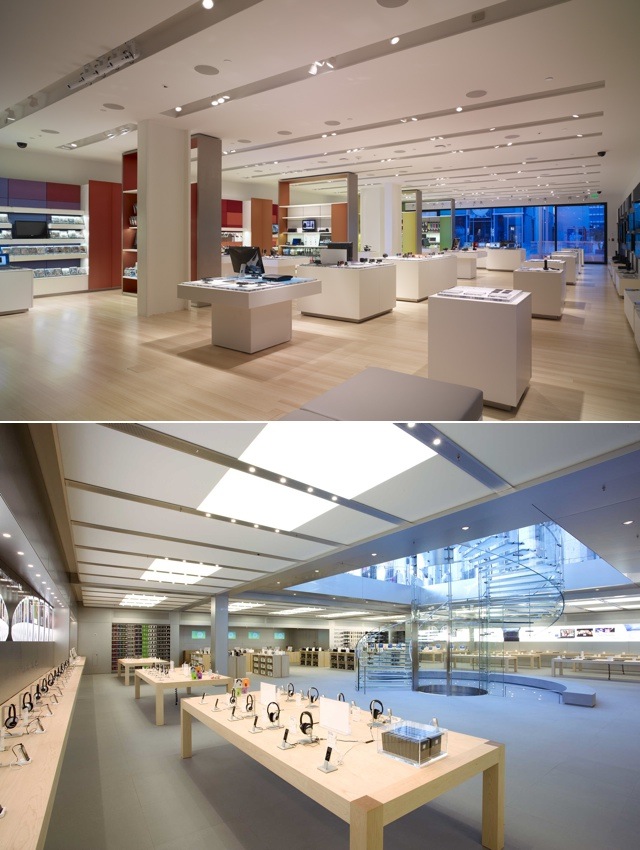
First, Sony is going to be using a lot of glass in its redone stores, a hallmark of Apple's modern, spacious retail look.
Second, Sony's displays are designed to show off the products and make them available to touch and test, an important element for today's consumers. Go into any Apple Store at any hour, and you'll see dozens of people using the iPads, iMacs, and iPods on display. Sony can help customers "sell themselves" by allowing them to try products on display and see for themselves how the various features work.
Third, following the lead of Apple, Sony is adding in-store services that customers value, such as on-site repairs, set-up and tech support.
Can Sony capture the cachet that Apple enjoys? The new retail showplace is a good start, anyway.
First, Sony is going to be using a lot of glass in its redone stores, a hallmark of Apple's modern, spacious retail look.
Second, Sony's displays are designed to show off the products and make them available to touch and test, an important element for today's consumers. Go into any Apple Store at any hour, and you'll see dozens of people using the iPads, iMacs, and iPods on display. Sony can help customers "sell themselves" by allowing them to try products on display and see for themselves how the various features work.
Third, following the lead of Apple, Sony is adding in-store services that customers value, such as on-site repairs, set-up and tech support.
Can Sony capture the cachet that Apple enjoys? The new retail showplace is a good start, anyway.
Sunday, 27 February 2011
Tablet computing heats up
 Without question, Apple's iPad is the best-known tablet computer on the market today. Others came before, but the iPad redefined the concept with its usual high-style design, touch-functionality and multiple features. Now HTC, the master of smartphones, is developing its own tablet computer to challenge Apple's dominance. "I think we are just at the beginning for innovation in the tablet market," HTC's John Wang told the Guardian. In fact, HTC revealed a prototype of its Flyer tablet (left) just two weeks ago.Reportedly, the Flyer will run on Google's Android system and will feature a stylus as the main input method. The projected price: 499 euros.
Since iPad prices vary around the world (see Economist table below), HTC may decide to vary its Flyer price, as well. In fact, a study out today says that tablet prices will have to drop before this becomes a mass-market product with significant sales volume. No matter what the price, HTC's new entry will give customers a new choice and put pressure on Apple and other rivals to continue innovating AND dropping prices.

Subscribe to:
Posts (Atom)