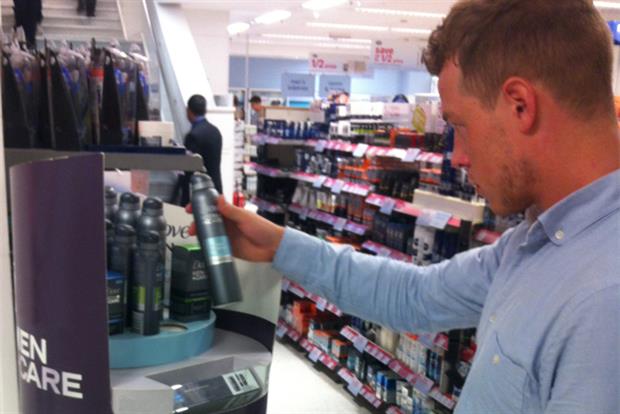
Will shopper tracking benefit customers as much as retailers? Although online retailers have long been able to track their customers page by page, click by click, store retailers generally lack the kind of comprehensive technology needed to unobtrusively monitor shoppers' movements and behaviour from entrance through the aisles to the exit.
Retail stores are keen to compete with online rivals by giving shoppers a better experience--meaning the right service at the right time, the right price, and the right merchandise where and when wanted. Many stores have
data warehouses filled with customer details captured from transactions and loyalty-card schemes, but less specific information about the in-store behaviour of individual customers.
This will be the decade of
shopper tracking in stores, experts say. The
French Connection began using Wi-Fi to track shoppers via their mobile phones last year, for example. The upscale specialty store Nordstrom installed in-store
tracking in 2012, counting the number of people entering and exiting its stores by following the Wi-Fi signals on their mobiles. Understanding footfall patterns helps stores plan employees' schedules and merchandise display possibilities.
To its credit, Nordstrom posted signs informing shoppers of the tracking system, explained that turning off Wi-Fi would allow shoppers to opt out of tracking and used aggregated data rather than individually-identifiable data for shopper analyses. But after a public outcry about invasion of privacy, the retailer was forced to stop tracking shoppers.
Now Apple is promoting its
iBeacon technology for shopper tracking. The system allows
in-store sensors to detect iPhones in the area and offer those shoppers customised deals such as vouchers or free samples. Shoppers might be reminded to visit aisle 2 for the greeting cards on their shopping list, or rely on iBeacon to alert the store to prepare preordered merchandise for pickup when the shopper arrives.
Other shopper tracking systems include
eye-tracking to determine where shoppers look as they push trolleys through the store.
Procter & Gamble is using eye-tracking to gauge the appeal of product displays in stores, for instance.
The key to shopper acceptance will be providing a better in-store experience. If shoppers don't perceive any benefit in being tracked, they may object or turn off their Wi-Fi signals or buy from other stores. And if consumers become more concerned about
being tracked when their mobiles are seeking out Wi-Fi signals, regulators may step in to force more prominent disclosure of tracking or limits.