Showing posts with label customer behaviour. Show all posts

Friday, 8 September 2017

Unilever and Nestle Pursue Niche Growth

Sweet Earth is being acquired by Nestle
Switzerland-based Nestle is buying a small California firm known for vegan and vegetarian foods; Dutch-British Unilever is buying a company that makes herbal organic teas.

Unilever is acquiring Pukka Herbs
Both of these multinationals are building part of their growth strategies around acquiring businesses and products in niches that are attractive because of increasing consumer appeal and the ability to be noticed through distinctive brands/products.

Unilever, for example, pursued Pukka Herbs because it is unusually fast-growing in its niche. Unilever's top tea executive explains: 'In the morning a lot of people still drink black tea as it picks you up, but in the afternoon or evening herbal tea is wonderful with different benefits'. In other words, Pukka Herbs complements Unilever's existing tea brands and products.

Nestle bought Sweet Earth, a vegan/vegetarian food marketer, to get firmly established in the plant-based protein market. Nestle USA's CEO comments: 'One of Nestlé’s strategic priorities is to build out our portfolio of vegetarian and flexitarian choices in line with modern health trends'.

Mainstream brands/products continue to sell--but certain niches are growing more rapidly and delivering customer acquisition (and profits) through specialization. That's why more multinationals will be exploiting growth opportunities by buying firms that have a following and a strong brand image in a well-defined niche.

Thursday, 18 May 2017

Luxury brands move toward omnichannel marketing

Luxury brands were, in many cases, late in adopting ecommerce strategies because of concerns about top-notch customer service, price competition and other issues. Now leading luxe brands are moving into cross-platform marketing to accommodate changes in consumer behaviour and buying preferences.

Consider LVMH, the €37.6 billion French-based group marketing top-quality, upmarket brands like Louis Vuitton, Bulgari, Tag Heuer and more than 65 other brands (soon to include Christian Dior Couture).

LVMH had a previous ecommerce venture, eLuxury, but eight years ago, during the great recession, the company closed the retail function and transformed the site into a digital fashion magazine.

Now LVMH is launching a new ecommerce venture. This new business (both online and app version) is 24 Sèvres, named for the firm's Paris street address. The business will go live in mid-June.

'Increasingly consumers want pictures over words', says LVMH's chief digital officer, Ian Rogers, mentioning the rapid rise of Instagram and Snapchat. Therefore, he says, 'if you look at our site, we lean far further toward visually-led merchandising than the more editorial skew of our competitors'.

Instead of brand-specific sites and apps, this new online retail platform will feature multiple LVMH brands--and some non-LVMH brands as well, with a visually innovative customer experience. Rogers says: 'There is . . . currently a major focus on omnichannel and experience, and we are moving from a mass culture to a mass of niches'.

Tuesday, 2 May 2017

Which is the future of banking?

What is the future of banking? One bank marketing exec points out: 'if banks want to stay relevant, financial marketers need to stop selling and start problem-solving'.

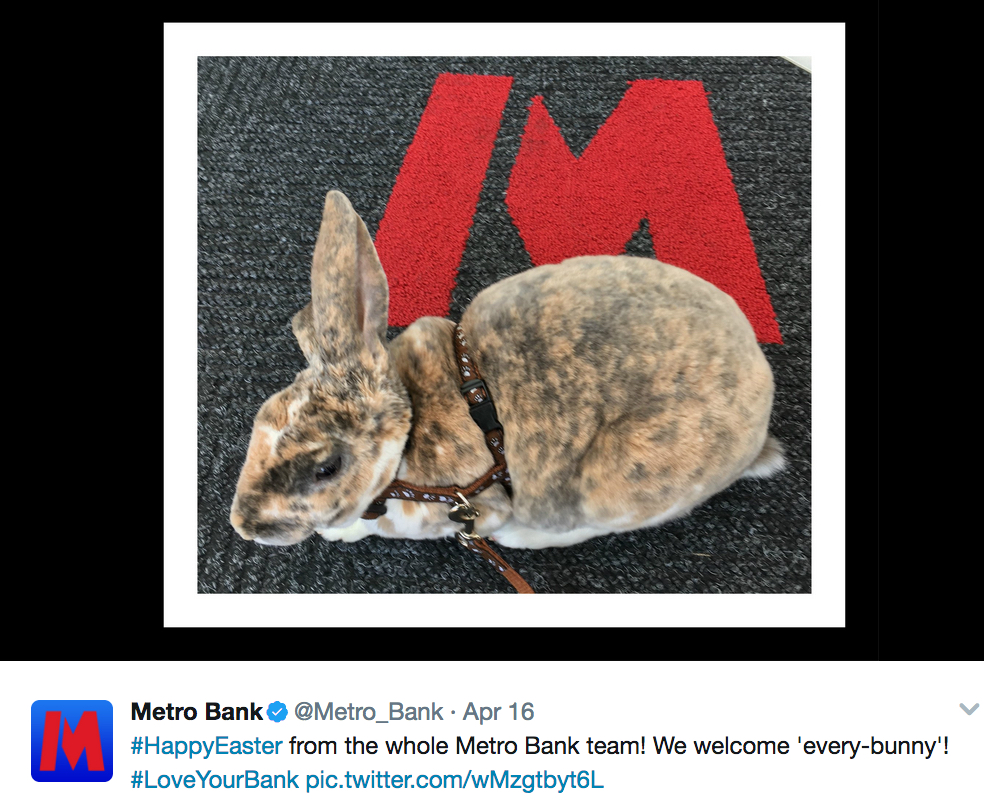
So is the future of banking personalised customer service, a problem for many? Convenient service in neighborhood branches ('stores') has been fueling Metro Bank's UK growth since 2010. Metro Bank is poised for full-year profitability and has attracted 1 million customers with 48 branches.

As a 'challenger bank', Metro Bank is targeting individuals and businesses who aren't satisfied with the established banks. To induce switching, Metro Bank keeps its branches open 7 days, with extended hours for evening transactions. The branches look more like cheerful retail stores than stuffy banks. And it's connecting with customers on social media: Metro Bank has 13k Twitter followers and 24k LinkedIn followers.

Or is the future of banking in technology, speeding transactions without face-to-face service? Between more sophisticated cash machines and smartphone banking functionality, do customers want or need to visit a branch these days? Customer behaviour is shifting as more people adopt on-the-go banking using apps. Pockit is a startup financial services firm that offers app-based transactions such as remittances.

Sometimes cash is needed for everyday transactions. NCR, which makes video-capable ATMs, notes that such automation is 'a bank in a box', ideal for locations where a bank wants to serve its local customers, with or without a branch.

Monday, 23 January 2017

Account planning: more important than ever

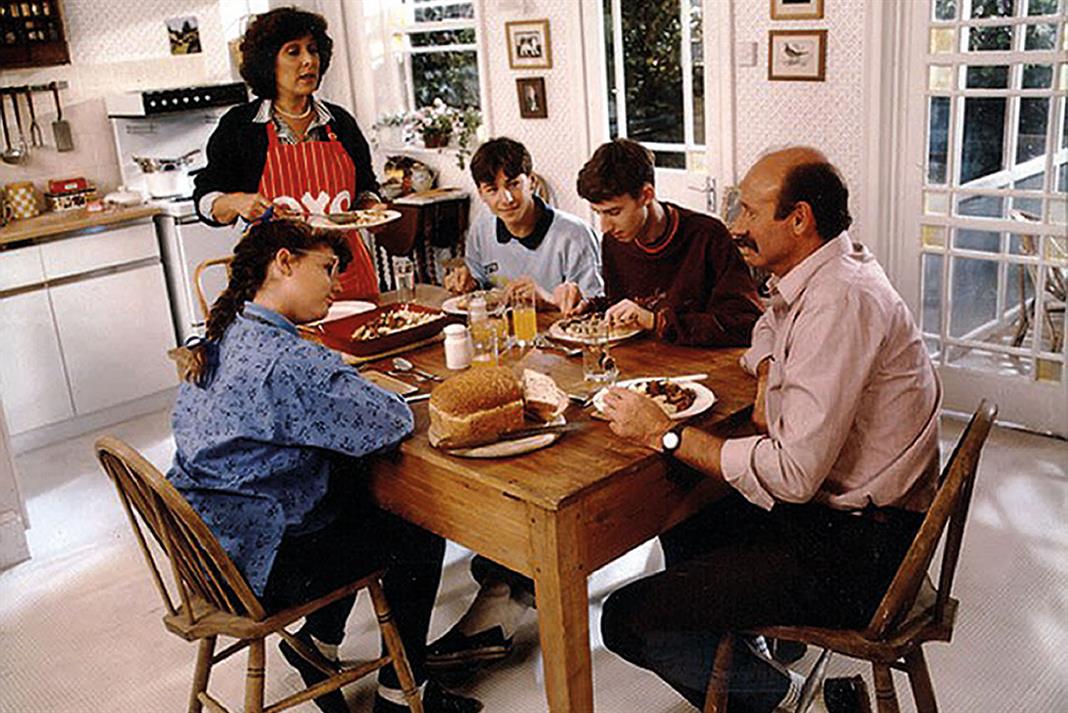
Account planning skyrocketed into vogue decades ago, helping leading agencies better understand consumer behaviour and attitudes. Thanks to account planning, brands like Oxo were represented by memorable ad campaigns that truly connected with customers.

Is account planning relevant today? Yes, even more so in the age of Big Data.

Account planning can and should still be the "voice of the customer" informing message and media creativity, major decisions at any time. Data aren't people--and being with people can help planners understand the differences and similarities that characterize customer behaviour and reveal underlying needs and motivations.

Ogilvy & Mather has been sending planners from its London base to every corner of the UK, seeking real everyday interactions with real people. 'So, as planners, if we never leave London, how can we hope to connect? The best ideas are those that get talked about in the street, at work, in the pub or in your kitchen', explains O&M's chief strategy officer.

Account planning can offer the insights that enable marketing, advertising and branding breakthroughs via innovative ideas linked to cultural and social trends. Account planning can spark inspiration and differentiation. Yes, support the insights and creativity and implementation with Big Data, but keep account planning in the equation to represent the real-life voice of the customer.

Thursday, 14 July 2016

Marketing results of second annual Amazon Prime Day

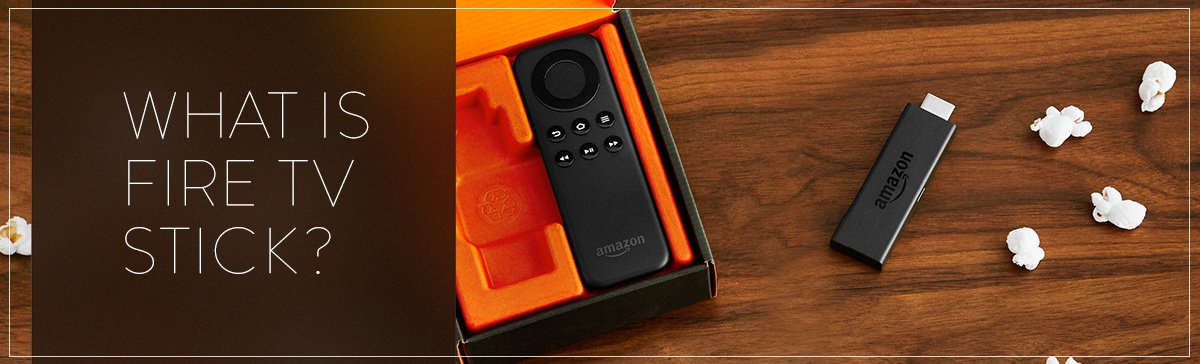
Amazon's Fire TV Stick, a best-seller on Amazon Prime Day
Despite some technical problems that prevented shoppers from clicking to buy a few of the deeply-discounted items, the second annual Amazon Prime Day was a huge success. Reportedly the online retailer's UK division received the most orders ever in a single day. Just as important, Amazon gained new Prime memberships and promoted the use of its exclusive shopping app.

Amazon's proprietary products were prominently featured and shoppers clicked to buy. The Fire TV Stick gadget was a top seller, and Alexa was also popular--being used to order other Amazon products, as well. Overall Amazon customer sentiment was positive and customer engagement was high.

From a marketing standpoint, Prime Day reinforced brand loyalty, attracted new Prime members, showcased Amazon's unique products and shaped customer behaviour by providing a mid-summer shopping 'holiday' branded by the world's original online retailer.

Amazon plans to continue Prime Day because it is achieving so many key objectives, both in customer relationships and in financial results. Not to mention good publicity for the brand.

Tuesday, 12 July 2016

Second annual Amazon Prime Day

Today is the second annual Amazon Prime Day, a day when the pioneering online retailer offers special price promotions for current Prime members and to attract new members. The first Prime day in 2015 created a lot of publicity for Amazon and resulted in a huge number of purchase transactions. In fact, Prime Day exceeded Black Friday's usual results.

The idea is to encourage shopping during the summertime, and make members feel like insiders when they get special deals that aren't available to everyone. Of course, since Amazon allows shoppers to sign up for a free 30-day Prime membership trial, everyone can, in effect, try and buy. So another objective is to attract new Prime members and convince them that the expedited shipping and access to streaming entertainment are worth the price of membership.

Amazon is promoting its Dash buttons at a discount, because once consumers install them, they simply press and presto! Replacement products for frequently-purchased items like laundry detergent will arrive quickly and automatically. Shoppers who grow accustomed to such convenience will be unlikely to switch to other retailers.

This year, as in 2015, the most coveted products being discounted are electronics, which lead the way in promotions. Amazon also encourages its sellers to get in on the promotion by offering deals to their customers via the retailer's website.

Will the number of transactions on 2016 Prime Day surpass the 2015 record?


Monday, 9 November 2015

King Digital Entertainment and the mobile game saga

If you've played Candy Crush Saga or Bubble Witch on your mobile, then you've used products marketed by King Digital Entertainment. Days ago, the company agreed to be acquired by Activision Blizzard, which makes popular console games like Call of Duty and World of Warcraft.

The combined company will have a customer base of 500 million users worldwide, making it a formidable marketing force in the world of digital games. The combination also allows the company to serve customers on multiple platforms (game consoles, computers, tablets and mobiles).

King's freemium marketing strategy (meaning fees for special features or powers) drove the company through a period of aggressive growth, including significant expansion into Asian markets. Its megahit game Candy Crush was released in 2012 and is still responsible for much of the firm's profitability.

However, mobile games are becoming an increasingly competitive space. Nintendo is finally going to release its first mobile game in 2016, called Mii Friends. As with competing games, Mii Friends will be freemium-priced. Meanwhile, Zynga (known for its once-ubiquitous FarmVille game and Words with Friends) is looking for its next megahit game and facing product launch delays.

King and Activision combined should have more marketing power in mobile games, where much of the growth in game-playing takes place. In-app payments for special powers or widgets are growing, and the firms see a lot of revenue potential from users eager to advance to higher levels and new challenges. Although freemium pricing has its critics, the strategy does allow users flexibility and choices about what they want to spend and when--if they choose to spend on mobile games at all.

Monday, 13 July 2015

Will Amazon Prime Day become Black Friday in July?

Amazon.com is celebrating its two-decade birthday on 15 July by launching a special online sale exclusively for members of its annual fee-based Prime programme. Prime members are entitled to free two-day shipping, access to unlimited TV and movie viewing from Amazon's entertainment library, access to a library of thousands of Kindle-based books and early notice of special merchandise, among other privileges.

Prime Day is being promoted with the strapline 'more deals than Black Friday', referring to the big shopping day on the Friday after US Thanksgiving Thursday. Consumers are growing accustomed to doing much of their shopping for Christmas and Hanukkah on Black Friday, thanks to retail deals that attract attention.

Amazon's Prime service has been highly successful in the US market, encouraging shopper loyalty and retention. In the UK, Amazon is adding extras such as one-hour delivery in London for a small extra fee.

Will Prime Day become the summer version of Black Friday? Other retailers that sell online may get a boost from shoppers comparing the Prime Day specials, say experts. Already, Black Friday is an increasingly popular shopping day for UK retailers, and Amazon's July version could very well shape consumer behaviour this year and beyond.

Wednesday, 6 May 2015

Updated: Fashion for hire

One increasingly important aspect of pricing strategy linked to changing customer behaviour is the option to hire rather than buy. In Chapter 7 of Essential Guide to Marketing Planning, I profiled two high-profile high-fashion hire businesses. This post updates the mini-case on p. 131.


  • Rent frock Repeat is based in Canada and markets fashion frocks and accessories for hire online. Like US-based Rent the Runway, Rent frock Repeat operates store showrooms for personalized attention and rentals. The company plans a third showroom and also offers Skype consultations, not just phone conversations, for customers who want to ask questions face to face. When customers know they'll need a certain outfit for a certain day, they can reserve that item up to four months in advance. Looking for ideas? Check the firm's Pinterest boards.
  • Rent the Runway began in 2009 as an online-only marketer of for-hire upmarket fashion and accessories. Today it operates stores in Chicago, Las Vegas, New York and Washington D.C. One customer, browsing in Chicago, commented: 'This is a procrastinator's dream!' In fact, the stores offer in-person appointments with stylists who can help customers identify suitable fashions and demonstrate how to create an outfit for a special occasion. With weddings, graduations and other celebrations on the May and June calendars, Rent the Runway provides a cost-effective alternative to buying clothing that will be worn only once or twice. The company's busiest day is Wednesday, when it receives returned dresses from the previous weekend, cleans them and repackages them for the next set of weekend customers. Of course Rent the Runway has an iPhone app (see above).

Wednesday, 29 April 2015

Market share and competition in UK grocery retailing

UK supermarkets are locked in an intense competitive battle that often focuses on price. According to Statista, Tesco maintains its market-share leadership with 28% of the UK market for groceries, followed by Asda, Sainsbury and Morrisons (12 weeks as of March 1, 2015). Aldi and Lidl are increasing their share as well, making the UK a highly competitive marketplace for all in the grocery industry.

Morrisons has just made a change in its marketing plan: It will replace many self-service tills for express checkout of small orders with tills operated by staff members. The change in strategy is due to negative customer feedback about using self-serve for a few items. Surveys show that customers enjoy conversing with staff and they want speedy checkout when shopping for only a few items.

The CEO says: 'These checkouts - and our very helpful staff - will offer a quick and personal service, helping to keep queues low and improving thousands of shopping trips'.

Price wars are still the most visible element in UK grocery retailing, but convenience and personalised service are also important to customers. Now Morrisons (and its rivals) will watch customer behaviour to see reaction.

Wednesday, 11 February 2015

Everything old is new again at GZ Vinyl

You have to travel to the Czech Republic, and beyond Prague, to visit the home of the world's largest supplier of vinyl LPs. It's GZ Vinyl, part of GZ Media.

With the dramatic increase in vinyl LP sales, more performers are insisting that their music be released on LP--and more fans are seeking out LPs for the acoustic and aesthetic benefits. Some performers prefer colour vinyl or marbled vinyl to make a visual impact.

Luckily, GZ never did away with its LP production equipment, even while the music world moved through tape and CD and even digital formats. The firm put its vinyl pressing machinery into storage--and then retrieved it when LPs regained popularity as consumer behaviour evolved. This YouTube video shows vinyl LPs being made.

Today, GZ is even installing next-generation vinyl production machinery for speedier, state-of-the-art LP manufacturing and finishing. This will shorten the time between orders and shipment of LPs and satisfy customers throughout the supply chain.

Friday, 30 January 2015

Can new McDonald's CEO bring fresh ideas to fast food?

McRib sandwich, a limited-time menu item that's a cult favourite in UK and US markets
Under Steve Easterbrook as CEO, McDonald's UK has reinforced a more local brand positioning and tested new products and promotions for the changing customer profile.

Now Easterbrook is moving to America to become CEO of the entire McDonald's business, which faces significant challenges such as intense competitive pressure, overall sales declines and increased customer interest in healthy eating.

Many of the innovations that helped McDonald's build sales in the UK may be implemented across multiple markets. For example:
  • Crowdsourcing new products. McDonald's asked customers to build their ultimate beef burger, and then featured the 5 winning "My Burger" product ideas during autumn of 2014.
  • Increasing transparency about food sourcing. To help customers understand what's in McDonald's meals, it established a special section on its website called 'What Makes McDonald's?' In addition to posting videos about agriculture and other sources of production, McDonald's invited questions from the public. This is also being done at McDonald's Canada.
  • Healthier eating. McDonald's UK encourages healthier eating with 'Free Fruit Fridays'. Once a month, children get a free bag of fruit with the purchase of a Happy Meal.
Easterbrook sees potential in marketing meals customised for each customer: 'People’s desires are changing. They want to be treated as individuals, not as numbers'.

Thursday, 8 January 2015

Tesco's turnaround for higher turnover

Tesco is making major changes to position itself for higher turnover in 2015, after a challenging year in which it faced accounting woes, profit-sapping price wars, intense competition and disappointing sales results.

Now the top UK grocery retailer is taking a fresh look at its business units and its store network. The goal is to cut costs so Tesco can prepare for revenue and profit improvement.

Not surprisingly, Tesco will close 43 unprofitable stores and halt plans for 49 new stores--which would have been giant stores not favoured by today's busy shoppers. The company is reducing its workforce, consolidating headquarters and making other changes to slash expenses. And, not surprisingly, it's selling Blinkbox, Tesco Broadband and other non-store ventures, which makes sense.

It is surprising that Tesco would arrange to sell Dunnhumby, its Big Data division, given how vital the data-driven Clubcard scheme has been to the company's long-term increase in turnover. Here's what the Tesco site says about Dunnhumby:
dunnhumby helps Tesco and our suppliers around the world to put the customer at the heart of decision making and thereby earn their lifetime loyalty. Their insights help us stock the right products, optimise prices, run relevant promotions and communicate personalised offers for customers across all contact channels.
Tesco will, of course, continue as a Dunnhumby client.

Friday, 9 May 2014

Tracking versus privacy

The well-known management guru Peter Drucker always said that the purpose of business is to create and keep a customer. To do this, marketers must know what consumers think, feel and do--so they can use marketing to influence customer behaviour. Marketers know that customers are using the Internet and mobile devices as they shop or browse. Not surprisingly, marketers are also using technology to influence customer behaviour and satisfy customers.

For instance, Virgin Atlantic is piloting the use of iBeacon (an Apple mobile technology) to track its passengers in Heathrow and provide assistance as needed (or even before). Passengers might receive special offers as they walk through a retail area, for instance, or their boarding pass might pop up as the approach the gate. Many other marketers are exploring the use of beacon technology to reach customers when and where behaviour can be influenced.

Technology to track how many people pass its doors and how many enter, where they walk in the store and how long they pause in front of a display, is increasingly on retailers' shopping lists.

For privacy reasons, however, many consumers want the ability to be notified of tracking and opt out of tracking. A number of tech firms that provide tracking capabilities are allowing opt-out capabilities. How can marketers find the proper balance of tracking and privacy?

Thursday, 5 September 2013

Lego becomes world's #2 toymaker

Lego has just moved up in the toy world, passing Hasbro to become the second largest toymaker on the planet.

(US-based Mattel, maker of Barbie and American Girl dolls, remains the world's top toymaker.)

One big reason for Lego's continued increase in sales and market share: the global success of the best-selling Friends play sets for girls.

Another big reason: Lego's Chima sets, which feature animals--especially popular in China, a market being targeted for additional marketing attention. 'Asia has not been a major focus for us as a company up until this point, but we see now with the emerging middle class, more and more consumers that are really interested in our ... products', the Chief Financial Officer tells Reuters. Not surprisingly, Lego will be building a factory in China so it can meet growing demand for its bricks and figurines. 

Lego also has some highly popular brand licenses (Star Wars, for example) and marketing partners that have licensed its brand (such as Merlin Entertainment). The company's knowledge of customer behaviour, branding expertise, product development skills and distribution savvy have all contributed to its worldwide success.

In UK shops and online stores, Lego's products are often featured on special themed shelves and pages. Argos has web pages devoted only to Lego, as do Amazon and Toys 'R' Us. This allows display of the full Lego range and keeps the focus on the brand and its unique personality.


Friday, 23 August 2013

De-escalating price promotions

Reckitt Benckiser--the corporate name behind so many familiar household brands--wants to get off the price promotion treadmill. 'When consumers’ only criteria is to do BOGOF [buy one, get one free] or half price, then you can do the most engaging campaign but they don’t care. They will buy the competitor if they are half price', says RB's Jérome Lemaire in a Marketing Week interview. So RB is in talks with its retail partners about other kinds of promotions.

Of course, after years of store promotions by retail chains trying to retain market share and increase shopper visits during the recession, de-escalating price promotions will not be easy for any brand. Supermarkets have been locked in a battle for price, position and image, as well, which affects how brands on their shelves are perceived by shoppers.

RB invests heavily in adverts to remind shoppers of its brands and benefits. It's on Facebook (88,000 likes), Twitter (9,500 followers), YouTube, Weibo (China) and other social networks. Even when RB markets digitally, it must rely on retail partners to actually sell the products, at least until its e-commerce strategy is tested and implemented. Meanwhile, the company has considerable sales momentum worldwide this year, thanks in part to its brand-by-brand and overall corporate marketing plans.

This post updates the opening example in Chapter 1 of Essential Guide to Marketing Planning.

Thursday, 4 July 2013

Virtual showrooms and brand experiences help buyers buy

A growing number of people--Millennials in particular--are configuring cars through virtual showrooms and browsing automotive brands outside the real-world showroom. One reason: They don't want the 'hard sell,' they want to browse and buy at their own pace.

This is one of the key findings of a recent GfK survey of car buyers, in which more than 75% of respondents agreed with the statement 'If I went to a dealership, I wouldn’t want to be sold a car. I’d rather look at the cars and then approach a sales person when I’m ready'.

Here are a few ways that automakers are helping buyers experience their brands and move toward a purchase.

  • Audi City is an online and in-person virtual experience of selected models in life-size form. Consumers can design the Audi of their dreams. At the Audi City showroom in Mayfair, London, visitors can use interactive screens to explore various options, see cars in action, etc. It's a social media experience, too, on Facebook, as well as on Twitter.
  • Nissan Innovation Centre at London's O2 Arena is a non-dealership devoted to giving consumers a positive brand experience without sales pressure. Prospective buyers can even take Nissan models for test-drives--especially important for newer models like the electric Leaf, which are seeking much higher market share in a challenging economic environment. 'Few manufacturers rely solely on the dealership for marketing but this is the customer’s key touchpoint at the end of the purchase process', says Nissan's GB marketing director.
  • Telegraph Festival of Motoring, launched earlier this year, is the newspaper's virtual supplement featuring six automotive brands: Alfa Romeo, Kia, Volvo, Honda, Audi and Vauxhall. Videos, webinars, online chats and more offered the opportunity for car buyers and brand fans to see the latest and greatest, ask questions and get a peek at future designs. No hard sell, just a fun brand experience.

Friday, 28 June 2013

ASDA's EDLP brand promise

Everyday Low Pricing (EDLP) is the engine behind UK retailer ASDA's brand promise. ASDA's website promises: If we're not 10% cheaper on your comparable grocery shopping we’ll give you the difference.* (The * leads to the details of which competitors are covered by the promise.)

This brand promise reflects ASDA's strategy of competing on the basis of price in the grocery industry. After ASDA began advertising its price promise, it was followed by Sainsbury, Waitrose and Tesco. Price wars have broken out in several product categories, benefiting consumers but also putting pressure on marketers to be sure they live up to brand promises. The CEO of ASDA observes that this EDLP brand promise is more sustainable than voucher promotions that fluctuate daily or weekly.

ASDA's chief marketing officer tells Marketing Week: 'The priority is communicating EDLP and getting it to break through into a cluttered, gimmicky market'. All weekly promotions are also set up in the entryway of ASDA's head office, just as they would appear in a store--a good approach to internal marketing.

Understanding customer behaviour is key. ASDA recently began a Click & Collect grocery delivery service driven by mobile marketing. Shoppers order via mobile and then either collect their orders from a drive-through store area or from a delivery van parked in a commuter park-and-ride area. Pickup is free, and the EDLP price promise is in place for these orders.

'If you are shopping on the phone you can top up your basket and complete your order on the website on the laptop or you can do the whole lot on the phone. That convenience really resonates with customers', says ASDA's multichannel operations director.

Monday, 10 June 2013

Using big data to analyse shopping behaviour

Loyalty card databases are big and getting bigger all the time: Tesco has 16 million Clubcard members, for example, and the grocery chain is always sifting through purchase data to detect patterns that will help it improve its marketing, customer by customer. A new initiative is in the works to encourage customers to buy and eat more healthy foods, for example.


Yet as the Guardian points out in a recent article, supermarkets don't need your loyalty card to track what you buy and how often. Many big stores aggregate purchases according to individual debit or credit card numbers (without linking personally identifiable details to that number). So if you routinely use the same piece of plastic to pay for your purchases, the stores have a good idea of what you're buying and when. They also notice when you don't shop in one of their branches, because no transactions matching your card number appear in their database.

'It means we know when customers are lapsing because we won't see their card for a week', a Morrisons spokesperson tells the Guardian. But when the card is used again, Morrisons can 'use it to measure the effectiveness of promotions and events'. In fact, product marketers happily pay supermarkets for the right to promote specific items to shopper segments that have purchased competing products in the recent past. Coupons issued to such targeted customer groups, as identified via big data, have extremely high redemption rates. Clearly, the more targeted the offer, the better the response--and this makes the proposition cost-effective for the marketer, of course.

In the future, retailers hope to use big data to assist in-store shoppers in several ways, such as finding the optimal grouping of products that are related to each other in some way. Big data can also help retailers plan for the right merchandise mix according to expected weather patterns, as another example, based on how shoppers have behaved during periods of similar weather in the past. Privacy remains a concern, however, which is why transparency is vital for maintaining customer trust in this era of big data.

Monday, 25 March 2013

Marketers look to lower churn

Source: Accenture research
Churn is what happens when customers switch away from their current brand or service provider. It happens all the time, yet much of this churn can be avoided by paying attention to the basics, notes Accenture, the international consultancy. The graphic above, from Accenture's recent report, shows the top six reasons why customers would stop doing business with a firm.

Another study of satisfaction, by Capgemini and Efma, shows that a mere 30% of customers worldwide report a positive experience with insurance firms. In other words, 70% are dissatisfied or neutral about their customer experience, opening the door to switching if these customers accept the marketing overtures of other insurance firms.

Bank marketers are starting to implement new measures to avoid churn and improve satisfaction. For example, Lloyds is now planning to award bonuses to branch staff based on customer feedback.

Improving customer satisfaction and reducing churn opportunities is vital as the UK Payments Council introduces account switching rules that, from September, will make it faster and easier to change from one bank to another.

Look for more marketing programmes to strengthen loyalty as the economy improves and customers open their wallets even wider.