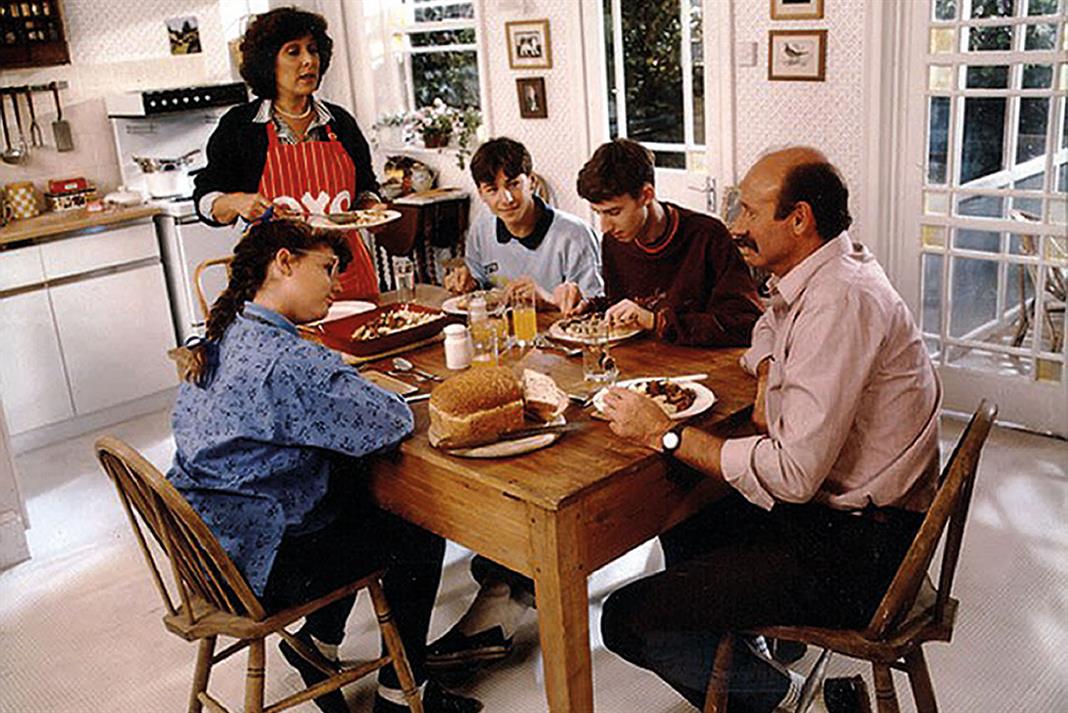
Account planning skyrocketed into vogue decades ago, helping leading agencies better understand consumer behaviour and attitudes. Thanks to account planning, brands like Oxo were represented by memorable ad campaigns that truly connected with customers.
Is account planning relevant today? Yes, even more so in the age of Big Data.
Account planning can and should still be the "voice of the customer" informing message and media creativity, major decisions at any time. Data aren't people--and being with people can help planners understand the differences and similarities that characterize customer behaviour and reveal underlying needs and motivations.
Ogilvy & Mather has been sending planners from its London base to every corner of the UK, seeking real everyday interactions with real people. 'So, as planners, if we never leave London, how can we hope to connect?
The best ideas are those that get talked about in the street, at work,
in the pub or in your kitchen', explains O&M's chief strategy officer.
Account planning can offer the insights that enable marketing, advertising and branding breakthroughs via innovative ideas linked to cultural and social trends. Account planning can spark inspiration and differentiation. Yes, support the insights and creativity and implementation with Big Data, but keep account planning in the equation to represent the real-life voice of the customer.
Showing posts with label cultural environment. Show all posts
Monday, 23 January 2017
Monday, 5 May 2014
Marketing cereal in China: Think green or black
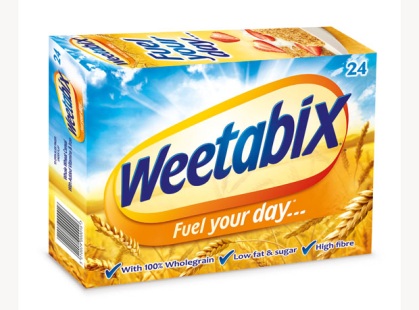
Yes, Weetabix is marketing in China. The UK cereal company is now majority-owned by China's Bright Food business, and thanks to local knowledge, Weetabix's marketing plan calls for adding flavours and ingredients favoured by Chinese consumers.
Last year, the Weetabix chief executive said its Chinese breakfast foods are likely to be hot and savoury, in keeping with local tastes. Even though Weetabix made its name in cereal, the new products in China may not necessarily be cereals. Currently, its cereal bars are gaining popularity, thanks to their on-the-go convenience, which fits the busy lifestyle of many consumers.
Looking ahead, Weetabix is investigating new products such as green tea cereal, and less-sweet varieties that appeal to Chinese tastes. For now, the company will put a lot of marketing emphasis on its made-in-UK heritage and nutritional value because Chinese consumers are concerned about food purity and often perceive non-Chinese brands as safer.
Weetabix faces local competition from companies that are already marketing breakfast foods linked to the latest trends. One Chinese company makes cereal from black grains--tapping into the health associations with this colour. Another emerging food fad involves adding protein by adding peas to breakfast products. What's next for cereal marketing?
Last year, the Weetabix chief executive said its Chinese breakfast foods are likely to be hot and savoury, in keeping with local tastes. Even though Weetabix made its name in cereal, the new products in China may not necessarily be cereals. Currently, its cereal bars are gaining popularity, thanks to their on-the-go convenience, which fits the busy lifestyle of many consumers.
Looking ahead, Weetabix is investigating new products such as green tea cereal, and less-sweet varieties that appeal to Chinese tastes. For now, the company will put a lot of marketing emphasis on its made-in-UK heritage and nutritional value because Chinese consumers are concerned about food purity and often perceive non-Chinese brands as safer.
Weetabix faces local competition from companies that are already marketing breakfast foods linked to the latest trends. One Chinese company makes cereal from black grains--tapping into the health associations with this colour. Another emerging food fad involves adding protein by adding peas to breakfast products. What's next for cereal marketing?
Subscribe to:
Posts (Atom)