Showing posts with label currency fluctuations. Show all posts

Monday, 2 October 2017

Pricing and shrinkflation

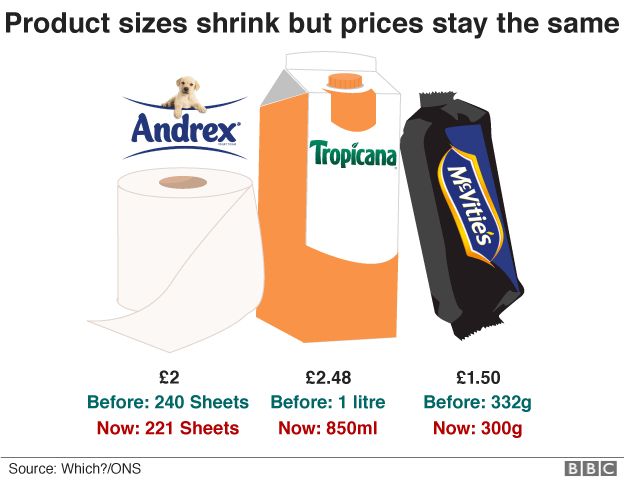
From foods to paper goods, more than 2,500 products have 'shrunk' whilst their retail prices have not decreased during the past five years. This shrinkflation reflects increased costs facing manufacturers, changes in foreign exchange rates after the Brexit vote and consumer resistance to paying higher prices. As a result of these environmental and internal forces, brands are reducing the size of some products without changing the prices.

Yet, according to the UK Office of National Statistics, more than 600 items have actually increased in size during the past five years. This reflects the trend towards focusing consumers on value. 'More for the same price' sends a message to price-conscious shoppers that a product will deliver higher value than some competing items.

More shrinkflation is on the way as marketers cope with continued cost increases and ongoing currency swings that can affect what manufacturers pay for ingredients and what they receive in payment from wholesale buyers.

Shrinkflation is usually not publicised by the manufacturers...but government offices and media reporters take notice. Then consumers become aware, and have to decide whether to continue buying a favourite brand or product, or change behaviour and buy something else.

Friday, 14 October 2016

Product pricing and Brexit

Unilever and Tesco skirmished briefly about pricing this week.

As a result of Brexit, the value of the pound sterling has slumped, and Unilever is trying to increase the price of some products by an average of about 10% to compensate for the slump.

Inventory on Tesco's store shelves dwindled as the grocery giant fought Unilever over pricing. Media coverage of the battle raised the possibility that Tesco's shoppers might be unable to find beloved brands like Marmite and Ben & Jerry's.

Tesco resisted Unilever's price increase by emphasising its role as championing low prices on behalf of consumers. Unilever explained that its supply costs are increasing, profits are going to be affected and therefore product pricing must be adjusted.

After a 24-hour standoff, Tesco and Unilever announced that the dispute had been resolved and shelves would be full of the brands shoppers want.

Expect more announcements about wholesale pricing as other producers seek to counteract the slump of sterling by increasing prices, if possible.